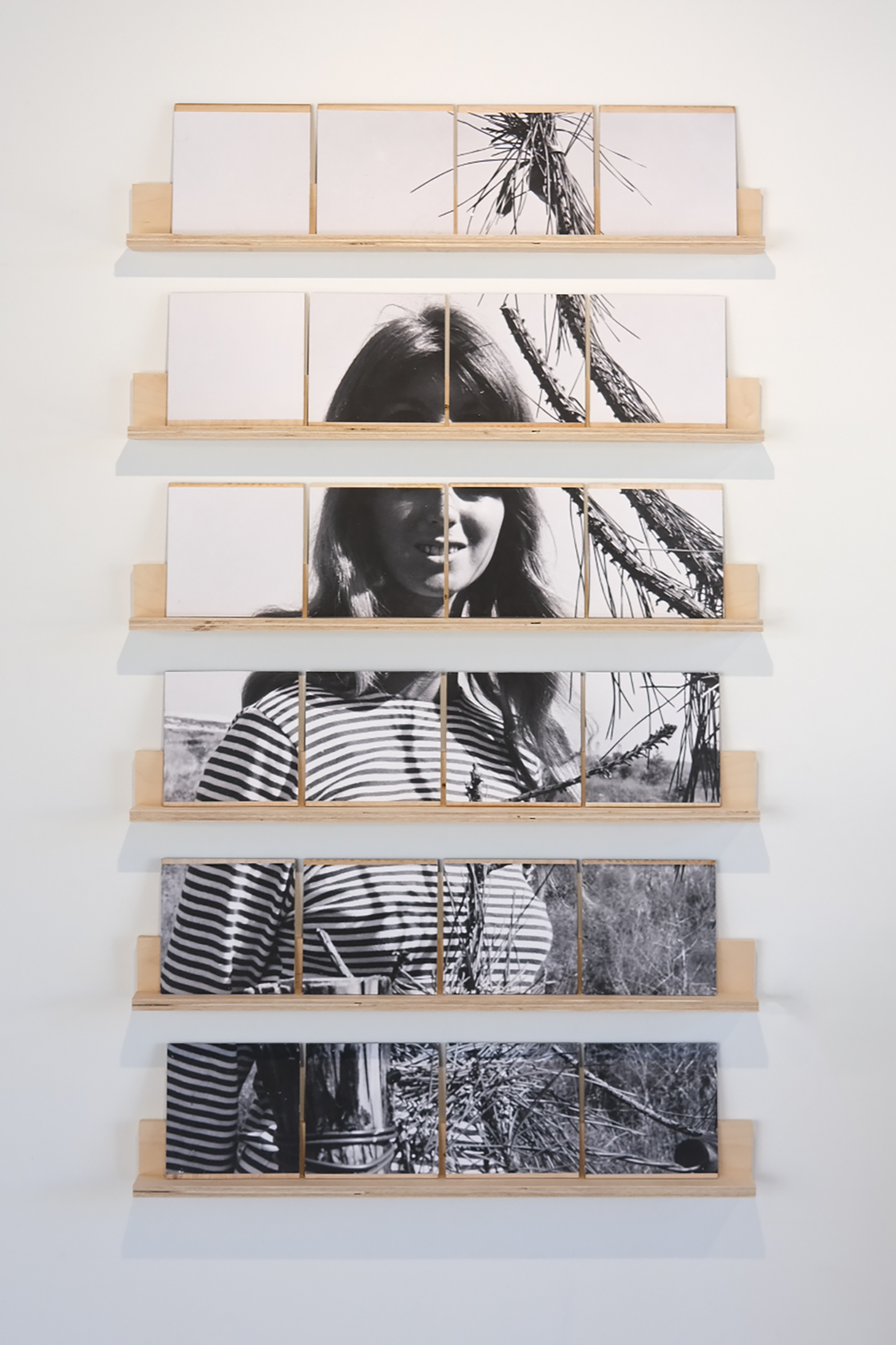
Putting Her Together (2026) Archival matte vinyl, wood
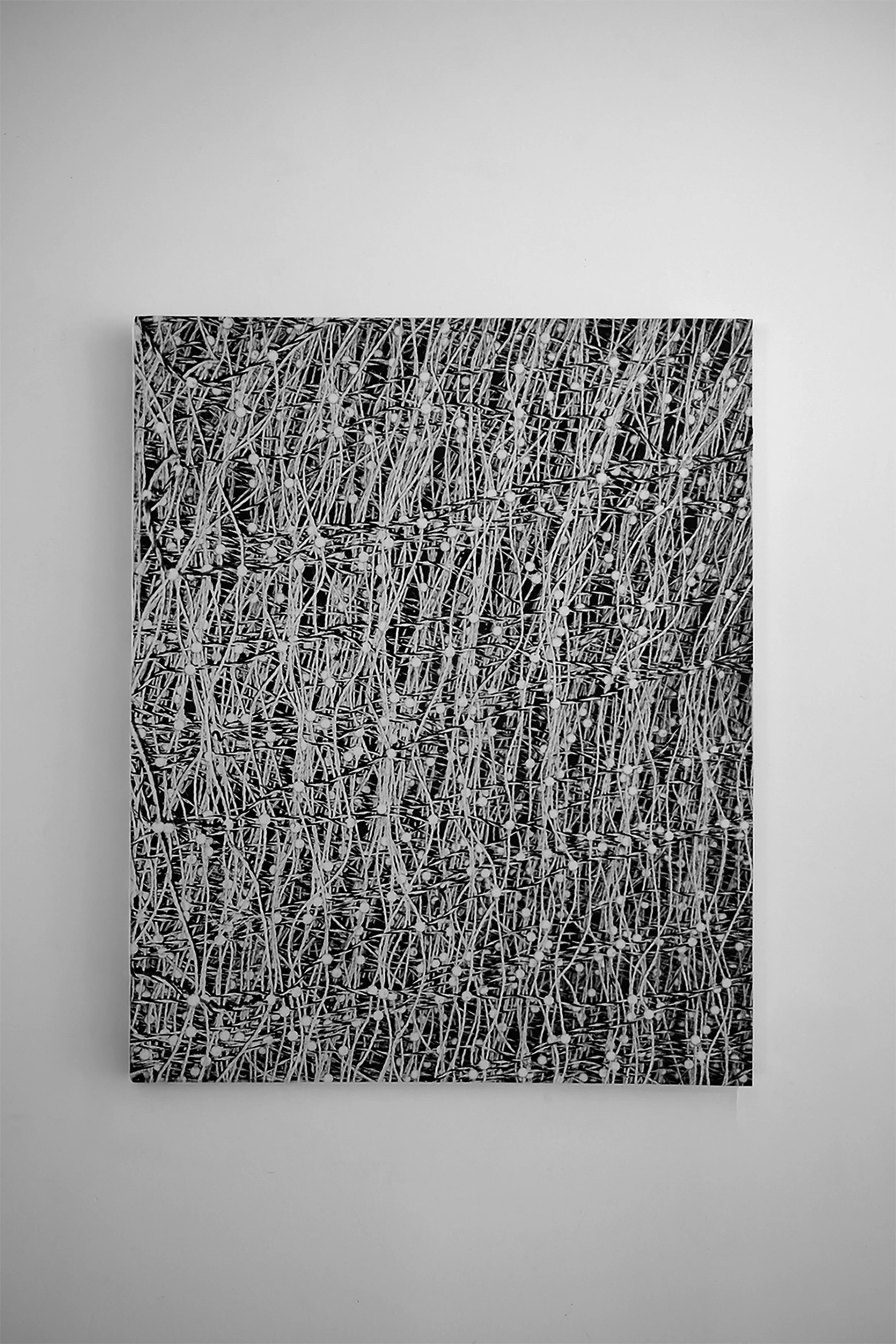
The Detanglement (2026) Archival matte vinyl, wood 46 1/2 × 37 1/2 × 2 3/16 in.
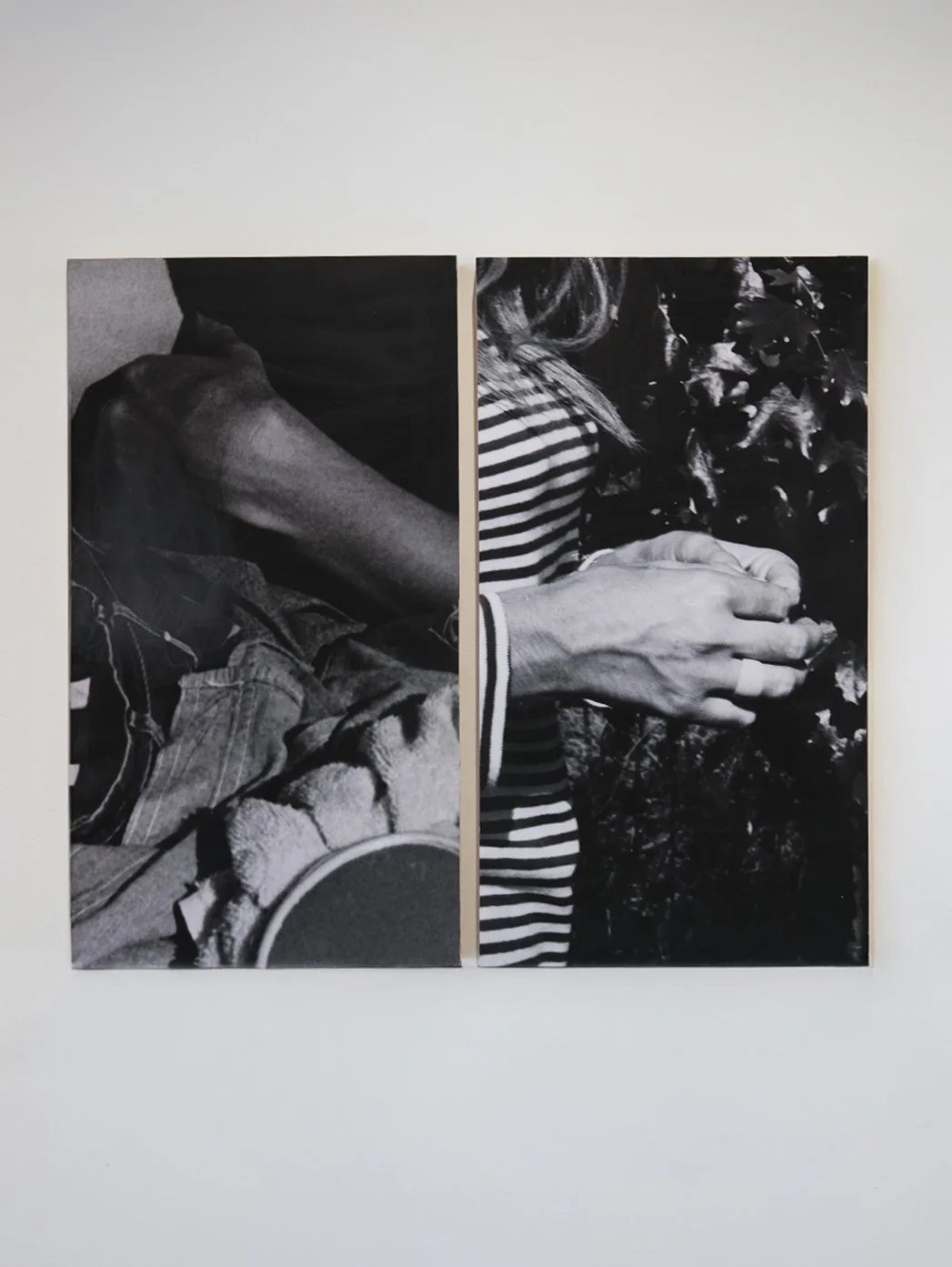
Joan and Maxine (2026) Archival matte vinyl, wood 19 9/16 × 35 3/4 × 2 1/4 in. (diptych)
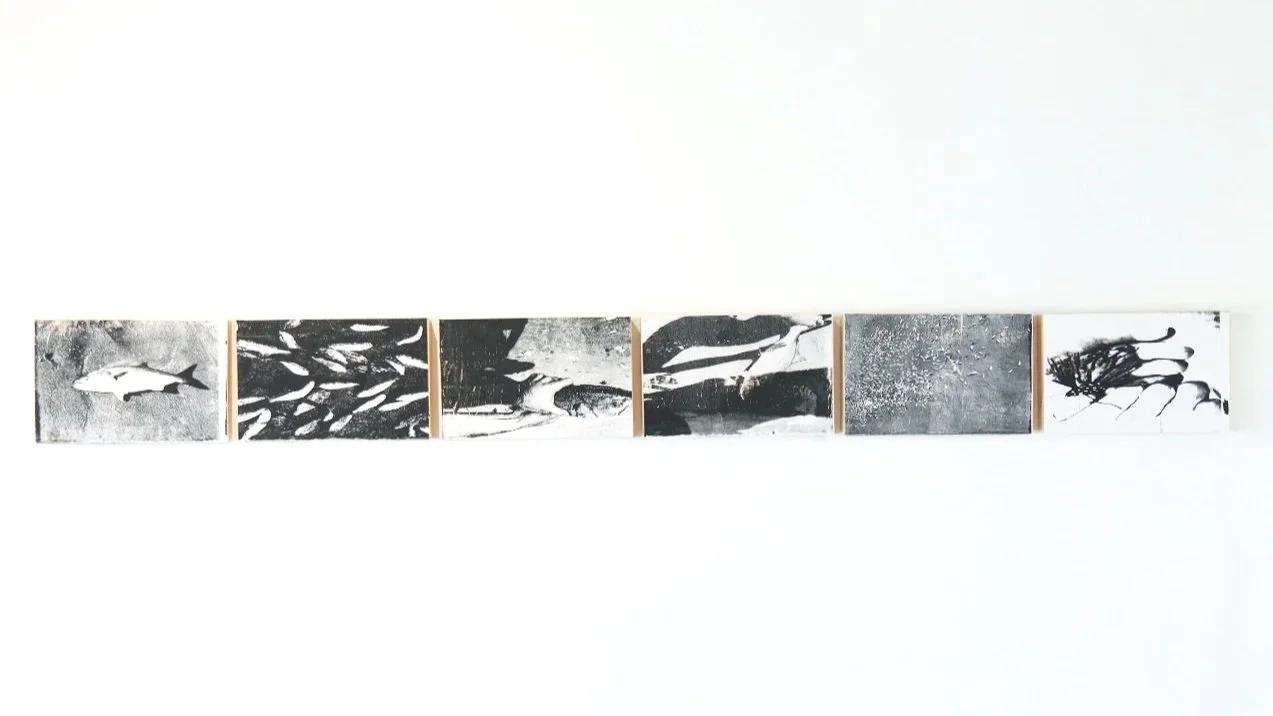
Tales of the Fish (2026) Screenprint on wood 10 5/8 × 16 13/16 × 2 3/16 in. (6 panels)
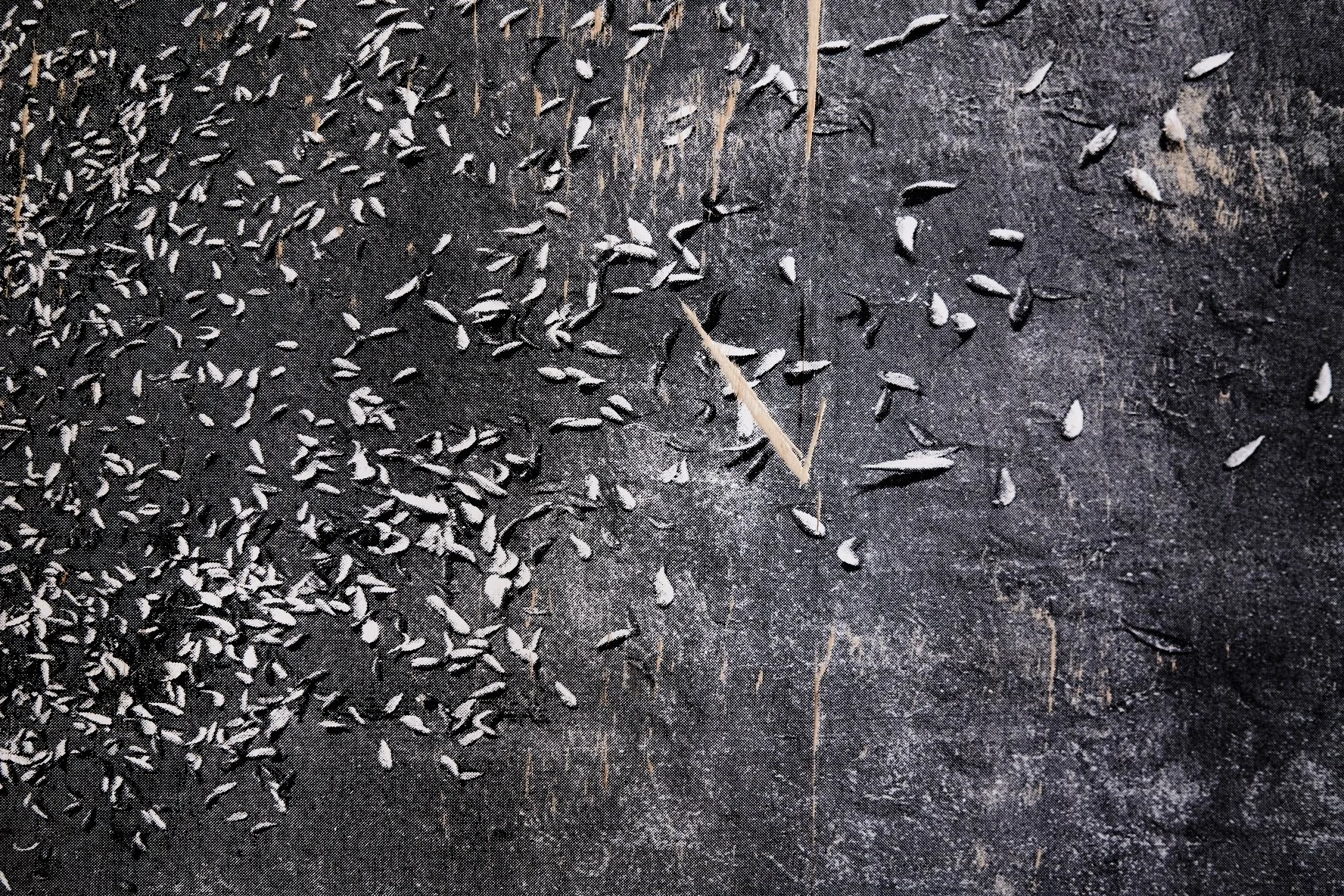
Tales of the Fish (2026) One from a series of six screenprints 10 5/8 × 16 13/16 × 2 3/16 in.
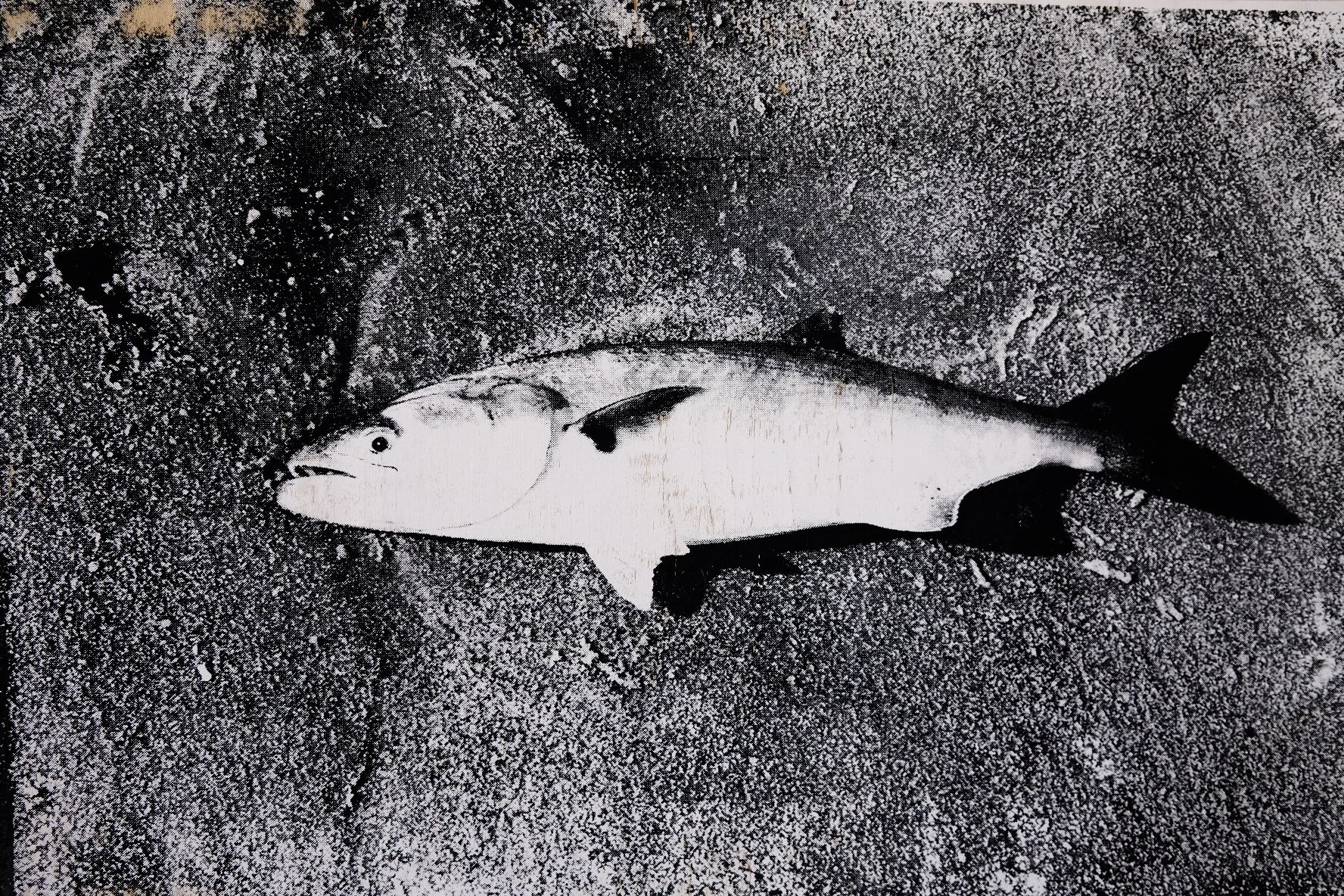
Tales of the Fish (2026) One from a series of six screenprints 10 5/8 × 16 13/16 × 2 3/16 in.
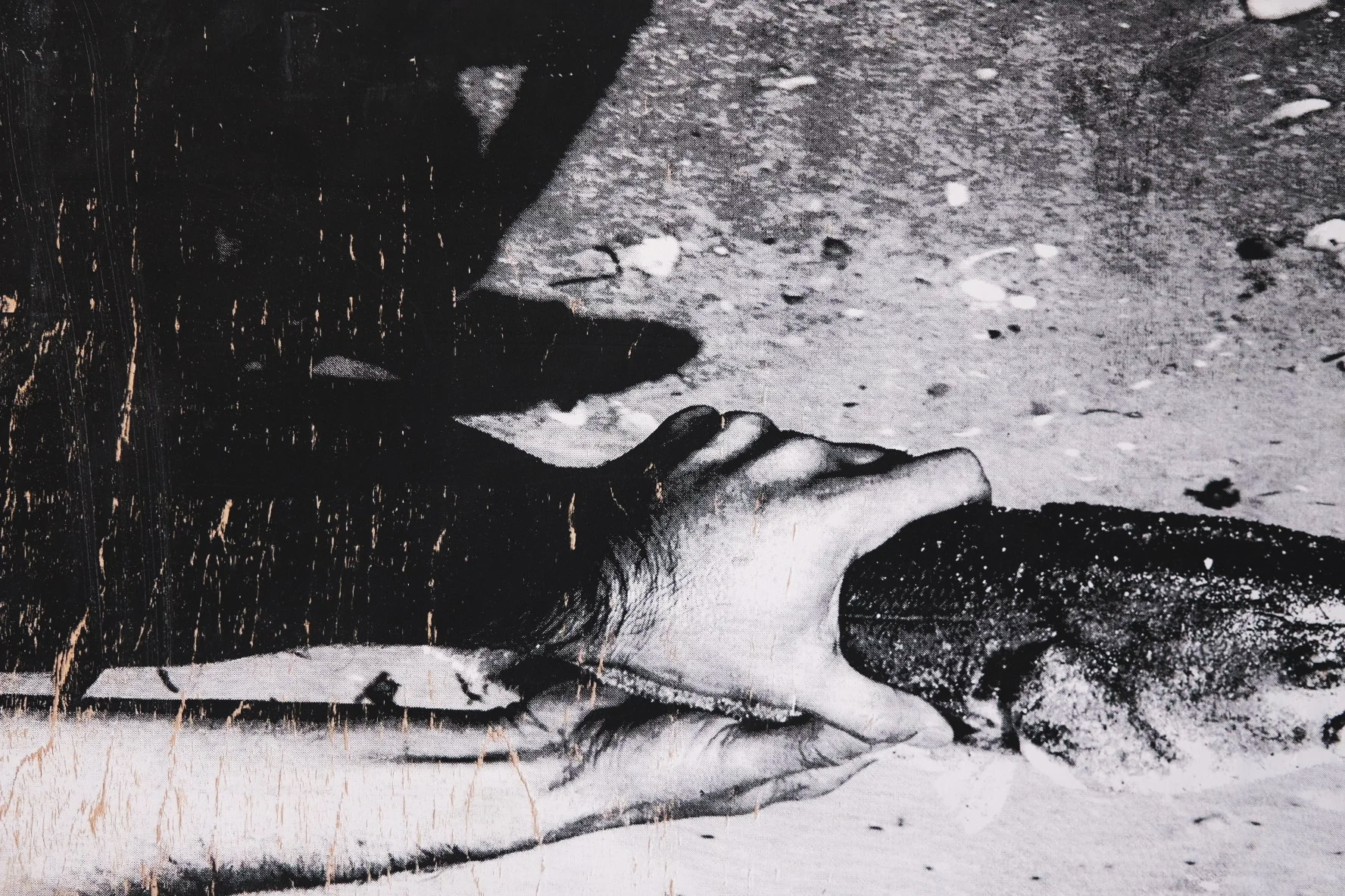
Tales of the Fish (2026) One from a series of six screenprints 10 5/8 × 16 13/16 × 2 3/16 in.
Namesake (2026) looks at what it means to carry inherited weight as a daughter, a sister, and a link in a chain of women whose lives I can only partly know. I am fascinated by the invisible things, the folklore, memories, stories, and silences in my family history, hard to identify but impossible to let go of. While making this work, I kept coming back to the idea of inheritance, not just what is passed down, but what slips through without intention. In this body of work, I explore how memory, both lived and imagined, is made physical through built forms in wood and imagery drawn from my family archive. These objects are places where fleeting moments of understanding become visible. I try to hold on to parts of my history that feel unclear or out of reach.
By building these physical forms, they give weight and presence to what would otherwise dissolve. The interaction between the ink and wood is key to this idea. Where the wood rejects ink, I show fragmented memories that blur or slip away when examined closely. In moments where the ink stays, something is saved, a point where a memory settles. The raw wood, in conjunction with the imagery, suggests building, the making of homes or structures, and the frameworks we inherit for understanding where we belong and who we come from. I want this work to be a space where memory, pain, joy, and generational understanding coexist. It is a place where hidden patterns become visible and generational knowledge and memory become sites of reckoning and exploration.